Psychological disorders can vary tremendously, from the everyday struggles of anxiety to the bewildering experiences of rare conditions that seem to defy logic. Among the rarest and most fascinating is Capgras syndrome, a disorder that blurs the line between perception and belief, leaving those affected convinced that someone close to them has been replaced by an identical imposter.
The Illusion of the “Imposter”
Capgras syndrome was first described by French psychiatrist Joseph Capgras in 1923, after observing a woman who believed her husband and children had been replaced by doubles. Unlike hallucinations, which involve perceiving things that aren’t there, Capgras involves a delusion of misidentification. The person recognizes a loved one’s face but feels emotionally disconnected from them. The result is an off-putting sense that the person they see must be a faker.
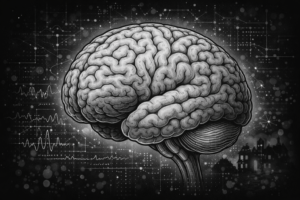
Research suggests that Capgras may result from a disconnect between the brain’s facial recognition system (fusiform face area) and its emotional processing centers, such as the amygdala. Essentially, the visual recognition pathway remains intact (“this looks like my husband”), but the emotional response is missing (“I feel nothing, so this must not be him”). This mismatch can lead to the bizarre but deeply distressing delusion that loved ones have been replaced. Sadly, there have even been reports of homicide in association with Capgras.
Capgras in a Digital World
It’s unsettling to realize that we now live in a time where digital “imposters” actually exist. Deepfakes, AI-generated voices, and cloned social media accounts can convincingly mimic real people, sometimes even fooling close friends or family members. For someone already vulnerable to delusional thinking, the blurred boundaries between real and artificial identities online might intensify feelings of doubt, mistrust, or unreality.
In this sense, modern technology may amplify the confusion created by those at risk for delusional thinking. Imagine struggling with the belief that your loved one has been replaced, while also scrolling through endless images and videos where faces can be manipulated, swapped, and re-created in seconds. The digital age, with endless distortions of identity, provides a bit of an overlap with Capgras itself, and a reminder that even healthy minds can occasionally question what’s “real” in the face of flawless AI-generated simulations.
Comparing Capgras to More Common, Yet Still Difficult, Struggles
Conditions like Capgras syndrome capture our imagination because they reveal how intricate and complex, yet fragile the mind’s machinery can be. They show what happens when just one connection in our mental network fails, altering reality itself. But it’s important to remember that such syndromes are extraordinarily rare, often associated with brain injury, dementia, or schizophrenia. One study, for instance, found a 0.12% prevalence of Capgras Syndrome in the general population.
In contrast, anxiety disorders and mood disorders such as depression affect millions of people worldwide. These conditions might not make headlines the way Capgras does, but they are far more common and can be equally debilitating.
Anxiety can manifest as persistent worry, restlessness, or physical symptoms like a racing heart, while depression can bring deep sadness, fatigue, and loss of interest in once-enjoyable activities.
Getting Help and Finding Support
If you or someone you know is struggling with anxiety, depression, or any psychological symptoms that disrupt daily life, help is available:
Reach out to a primary care provider or mental health professional, such as a psychologist, therapist, or psychiatrist. If you are a college student, your campus will also have professionals on hand to assist with both mental and physical health.
In the United States, the 988 Suicide & Crisis Lifeline offers 24/7 free and confidential support—just dial or text 988.
Capgras syndrome reminds us that the human brain is both marvelously complex and deeply mysterious. While most psychological disorders are more familiar and treatable, rare conditions like Capgras offer a window into how perception, emotion, and identity intertwine. And in an age when technology constantly reshapes what “real” even means, understanding these rare disorders feels more relevant than ever.