


If you grew up thinking the placebo effect was just “mind over matter,” or a quirky trick that happens when someone is fooled into believing a sugar pill is medicine, modern research will absolutely surprise you. Placebo effects are not small, subtle, or imaginary. They are measurable physiological changes that show up in hormones, immune responses, brain activity, pain pathways, and even the way the body digests food. In other words, placebos reveal something profound. The mind is not just reacting to the body. It is shaping it.
Mind Over Milkshakes: How Labels Change Your Metabolism
In a well-known study in 2011 from Stanford psychologist Alia Crum, participants drank the same exact milkshake on two occasions. On one day, it was labeled as a rich, indulgent, high calorie dessert. Yes, please! On another, it was presented as a sensible, low calorie health shake. Ok, fine… Even though the drink never changed, their ghrelin responses did. Ghrelin is a hormone involved in hunger and satiety. When participants thought they were drinking the indulgent shake, their ghrelin levels dropped sharply, just as they would after a heavy meal. When they believed they were drinking a healthy low calorie option, ghrelin barely moved. The difference was due to the label, not the shake.
In 2007, Crum went on to work with hotel housekeepers who often reported not getting enough physical activity. One group was told that their daily work (hauling piles of laundry, pushing a heavy cleaning cart, bending over countless times) already met the Surgeon General’s recommendations for exercise. They did not change anything about their routines. After four weeks, this group showed meaningful changes in body fat, blood pressure, and weight. The only change was their belief that they were already exercising.
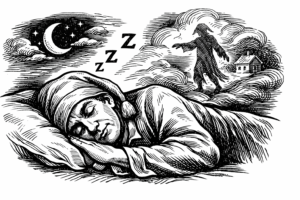
Although Crum’s research is among the most fascinating, other researchers have contributed as well. In a 2011 study by Draganich & Erdal, people who were told they had “above average” sleep quality (based on fictional biological feedback) performed significantly better on cognitive tests than those told they slept poorly. Everyone had the same actual sleep. Their performance reflected what they believed about their sleep, not the sleep itself. This is an expectancy effect operating on cognition and alertness.
Pain Relief and Beer Goggles
So far, it is clear that the placebo effect has far reaching applications, highlighting the complex relationship between mind and body. One of the most influential studies in pain research showed that placebo pain relief can be blocked by naloxone, a medication used to block opioid receptors. When naloxone was administered, the placebo effect vanished. This revealed something remarkable. Placebos trigger the body’s endogenous opioid system. In other words, believing you received pain relief can cause your brain to release its own painkillers.
These expectancy effects also apply to our perceptions of product quality. In a 2008 fMRI study, participants tasted wines that were labeled as cheap or expensive, even though the wines were identical. People rated the “expensive” wine as far better, and their medial orbitofrontal cortex activated more strongly. This brain region is associated with pleasure and reward. It appears as though the brain literally experienced more enjoyment because the wine cost more.
Studies examining caffeine expectancy show that when people are given decaf coffee but told they are drinking caffeinated coffee, they often feel more energized, more alert, and even perform better on mental tasks. Heart rate increases as well. People experience the physiological consequences of caffeine without the caffeine itself.
How about feeling inebriated after consuming alcohol? Are there placebo effects involved here as well? In classic work by Marlatt and colleagues (1974), participants were told they were drinking alcohol or told they were drinking a nonalcoholic beverage. In reality, some were deceived. Indeed, many of the social and emotional effects associated with alcohol appeared only when people believed they were drinking alcohol, not when they had actually consumed it. Expectation guided behavior more than the substance did.
Open Label Placebos, or Even When They Know It’s a Fake
Things get even more interesting when we consider “open label” placebo studies. For instance, one study on irritable bowel syndrome showed that patients improved significantly after taking pills clearly labeled as placebos. They were told the pills contained no active medicine. They still got better! This suggests that the ritual of treatment, the context, and the supportive messaging around it can create real physiological changes, even without deception.
The placebo effect is not about gullibility. It is about the brain’s ability to translate beliefs into biological changes. Expectation affects hormones, metabolism, immune responses, pain pathways, emotion, motivation, and even how the brain evaluates flavor or pleasure. These effects do not replace medicine, but they do reveal something powerful about how our minds interact with our bodies. We are not passive recipients of our biology. We participate in shaping it.
Moreover, these findings suggest a simple message. We should pay attention to the stories we tell ourselves about our bodies, moods, and abilities, because those narratives become part of our biology. We should frame our routines in ways that support us, whether that means treating a workout as something beneficial rather than punishing, or viewing stress as something we can work with rather than something that harms us. And we should remember that expectations are not magic or wishful thinking. They are tools that help us align our mindset with the physiological responses that serve us best.
Leave a Reply
You must be logged in to post a comment.