Most of us take acetaminophen (Tylenol) without thinking twice, trusting it to ease headaches, sore muscles, or fever. It is such a familiar part of everyday life that the idea it might influence our emotional reactions sounds almost absurd. Yet a growing body of research suggests that this common medication may do more than reduce physical pain. It may also subtly alter how we experience social situations, process emotions, and even engage in empathy. These effects reveal something remarkable about how the brain handles both physical injury and social distress.
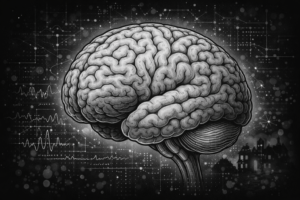
The connection becomes clearer when we look at how the brain processes rejection and loneliness. Neuroscientists have repeatedly found that the anterior cingulate cortex (ACC) activates during episodes of social pain in much the same way it does during physical pain. This overlap led researchers like Naomi Eisenberger and Matthew Lieberman to describe the ACC as part of a “neural alarm system” that monitors threats to both physical safety and social belonging. From an evolutionary perspective, this makes sense. Humans depended on group membership for survival, so losing social connection was dangerous. As a result, the brain treats threats to belonging with the same urgency as threats to the body. This is why experiences like breakups, exclusion, or loneliness can feel physically uncomfortable. The brain is not exaggerating. It is responding the way it was designed to.
This shared neural system sets the stage for a compelling line of research on acetaminophen. In one study, DeWall and colleagues (2010) asked participants to take either acetaminophen or a placebo every day for three weeks. Those who took acetaminophen reported fewer hurt feelings over time, and brain scans later revealed reduced ACC and anterior insula activity during a simulated rejection experience. In other words, the medication muted not only physical discomfort but also the neural response to social distress. Additional studies have shown that acetaminophen can weaken emotional reactions to both negative and positive images and even reduce empathic responses to other people’s positive experiences. Rather than specifically targeting sadness or rejection, it appears to dampen the overall intensity of emotional processing.
What makes this even more interesting is that the overlap between physical pain and social pain extends beyond the brain into the immune system. According to Social Safety Theory, the body responds to social threats as if they signal potential physical danger. When people face chronic loneliness, rejection, or low social status, the immune system increases inflammation in anticipation of potential injury. Research has shown that socially isolated individuals exhibit elevated inflammatory markers like IL-6 and CRP, along with increased risks for depression and physical illness. From this viewpoint, social pain is not simply a metaphor. It is a biological state with real physiological consequences, and its mechanisms overlap with those involved in physical injury.
Taken together, these findings invite the question of whether acetaminophen truly reduces empathy. The answer appears to be that it may reduce emotional intensity, which can lead to softer empathetic responses. Importantly, these effects are modest, but the research highlights how deeply intertwined our physical, social, and emotional systems are. The circuits that help us respond to injury are the same circuits that help us navigate relationships, connection, and empathy. Acetaminophen simply makes this network a bit quieter.
Our experiences of physical pain, social distress, and emotion are not separate categories. They are different expressions of a shared biological system that evolved to keep us safe and connected. The fact that a simple over-the-counter medication can influence this system shows just how tightly woven these processes are. Even something as ordinary as treating a headache can reveal the hidden links between our bodies, our relationships, and our capacity to feel.